
Having a safe workplace culture for your employees is one of the most essential elements that corporate leaders seek. However, bringing about sanity, dignity, and, most importantly, a healthy work environment is no easy task. In a world that is ruled by chaos and confusion, professional development books serve as powerful tools that inspire leaders to transform how teams connect, collaborate, and grow. These books help organizations evolve, enhance communication, and align employees around a common mission.
It is important to keep an eye on books and events that could guide you towards building a workplace culture that allows you to grow as an employer and also provides a safe space to your employees.
Here are 10 must-read professional development books that offer insights into leadership, communication, and organizational culture. Each is designed to help leaders build stronger, more connected workplaces.
1. “The Small Group Initiative” by Hal Chappelear
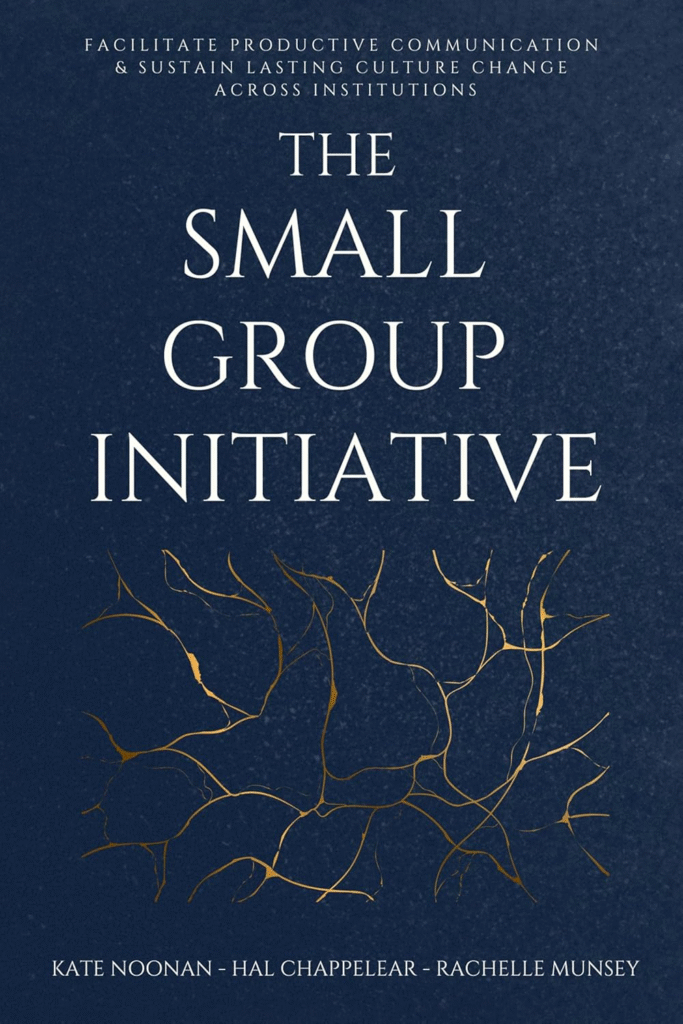
The first title on the list is The Small Group Initiative by Hal Chappelear. The book offers a refreshing take on how real change begins with meaningful dialogue. Instead of relying solely on top-down directives, this book emphasizes the importance of small group discussions as catalysts for growth and transformation. It’s a standout among organizational change books, teaching leaders how to nurture collaboration and trust within teams.
The author emphasizes the importance of building genuine communication through the use of relatable stories and a clear framework. This is where readers can learn and discover a pathway to grow as a leader, helping them shape an effective corporate culture.
For leaders committed to lasting transformation, this book offers a clear roadmap for building a resilient and values-driven organization from the inside out. Therefore, if you are looking to build a healthy and transforming working culture around you. Make sure to grab a copy of this book and invest your readings into something that is highly motivating and inspiring to learn from.
2. “Dare to Lead“ by Brené Brown
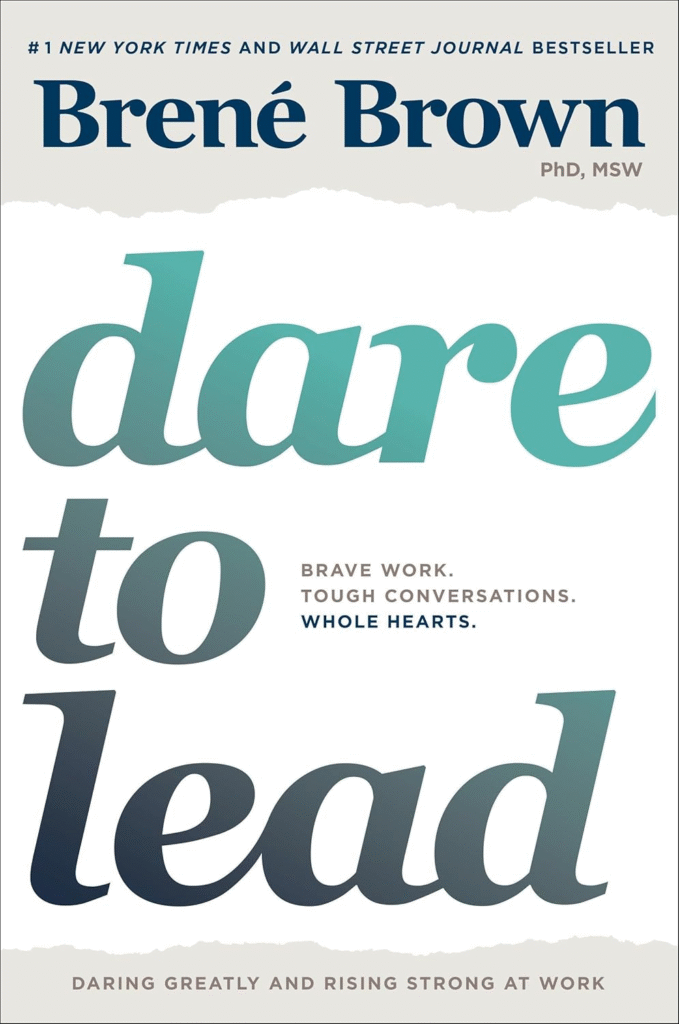
The next one on the list is another classic, Dare to Lead by Brown. The book adopts a unique perspective on learning and exploration in the context of workplace culture, emphasizing the importance of vulnerability in leadership. Dare to Lead challenges conventional thinking about strength in the workplace, showing that courage, empathy, and trust are the true foundations of effective leadership. It’s one of the most insightful leadership coaching books, encouraging readers to replace fear with authenticity.
What makes this book different from others available on the market is the author’s research-based insight. He welcomes openness and innovation in leadership, which helps transform the whole outlook of workplace culture. Whether you’re managing teams or driving organizational change, this book helps redefine what it means to lead with heart and integrity.
3. “Leaders Eat Last“ by Simon Sinek
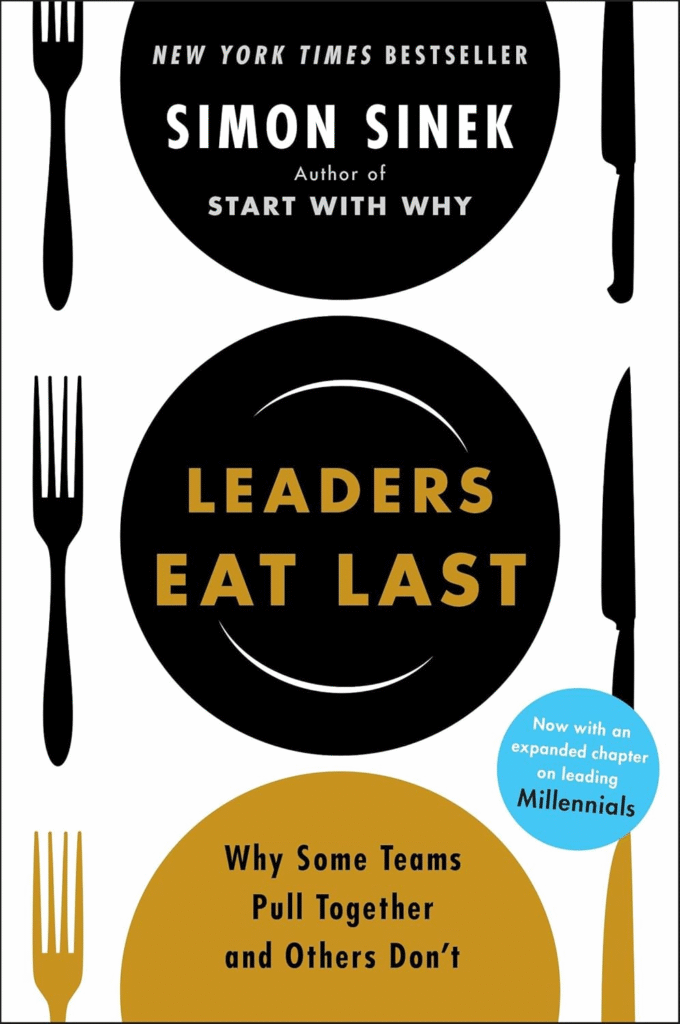
Leaders Eat Last is a book by Simon Sinek, where he explores the fact that leaders are the ones who are responsible for making people safe and secure in their workplaces. Moreover, Sinek’s emphasis on trust and empathy makes this one of the most powerful business and leadership books for shaping strong workplace cultures.
The essence of the book stores in the examples that the author draws from successful leadership, where both military and corporate leadership are the center of his attention. He explains how empathy-driven leaders build teams that outperform through unity and purpose. His ideas directly connect to the foundations of effective team communication and employee engagement, which are crucial elements for lasting success in any workplace.
4. “The Five Dysfunctions of a Team“ by Patrick Lencioni
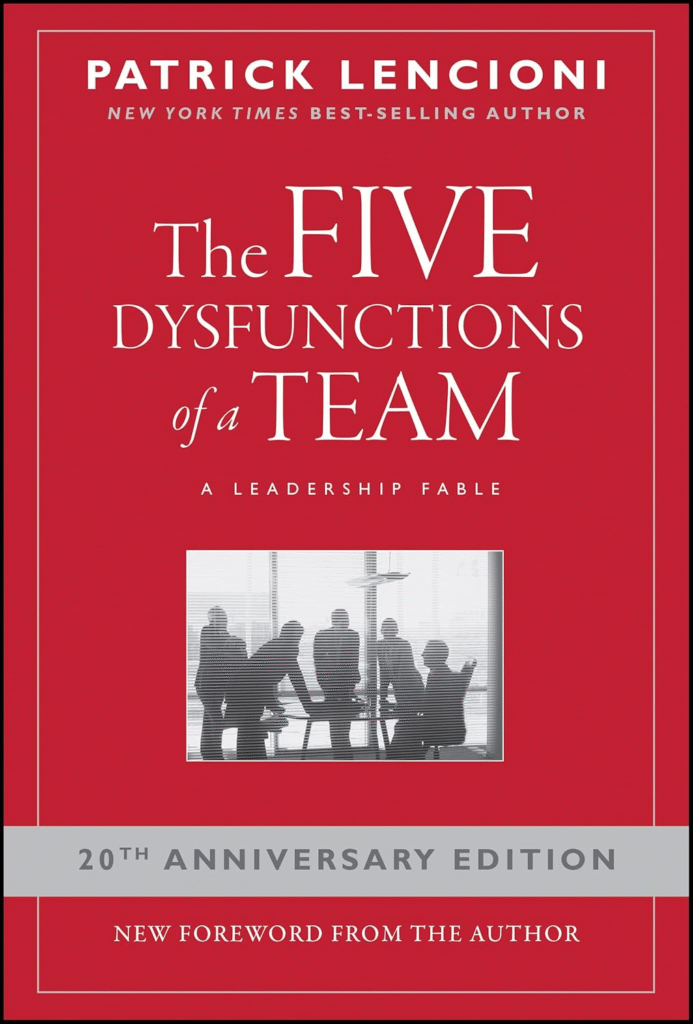
This one is a must-read book on team communication. The book elaborates on an important aspect of failure. That despite having some dynamic group of people working together aren’t able to perform and achieve their desired goals.
Using a compelling fable format, Lencioni outlines five key obstacles to team effectiveness, from lack of trust to fear of conflict, and offers practical solutions. This book is ideal for leaders seeking to enhance collaboration and accountability across their teams.
5. “Leadershift“ by John C. Maxwell
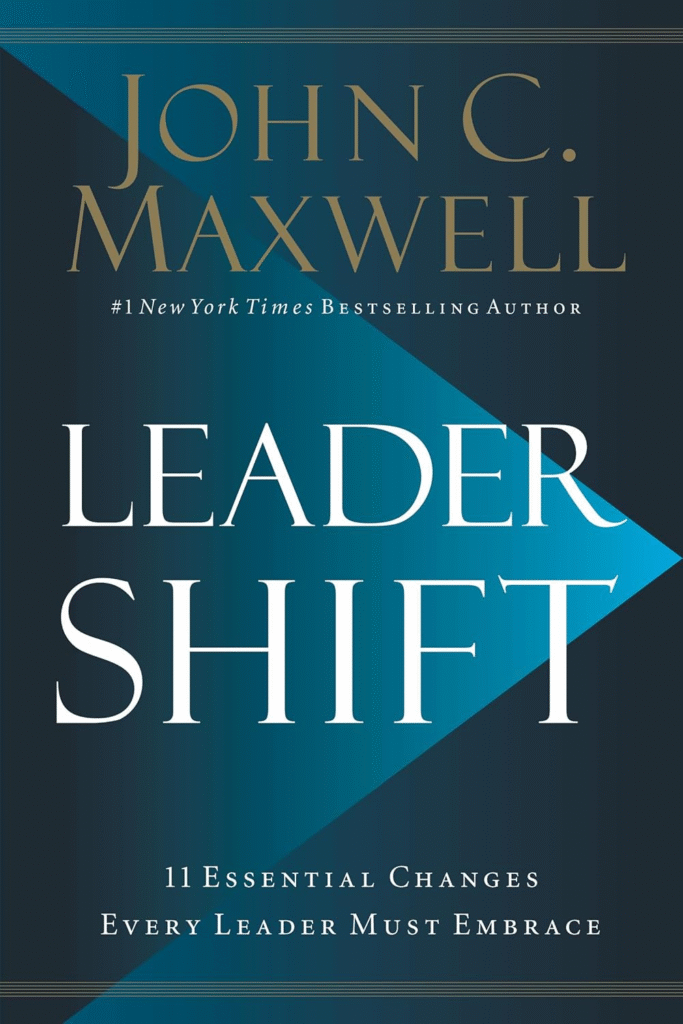
One of the reasons we have witnessed a shift in the approach of leaders and the transformation of the workplace is that we have had great examples, like John C. Maxwell. Learning from Maxwell’s work, he carefully explains the fact that how successful leaders adapt.
They “shift” their mindset to meet evolving challenges. Leadershift stands out among leadership coaching books for its robust wisdom on understanding organizational transformation with agility and empathy.
Maxwell identifies the crucial shifts every leader must make, ranging from maintaining control to empowering others, from focusing on goals to fostering growth. His message aligns perfectly with the themes of cultural change and leadership evolution, reminding readers that adaptability is the essence of effective leadership.
6. “The Culture Code“ by Daniel Coyle
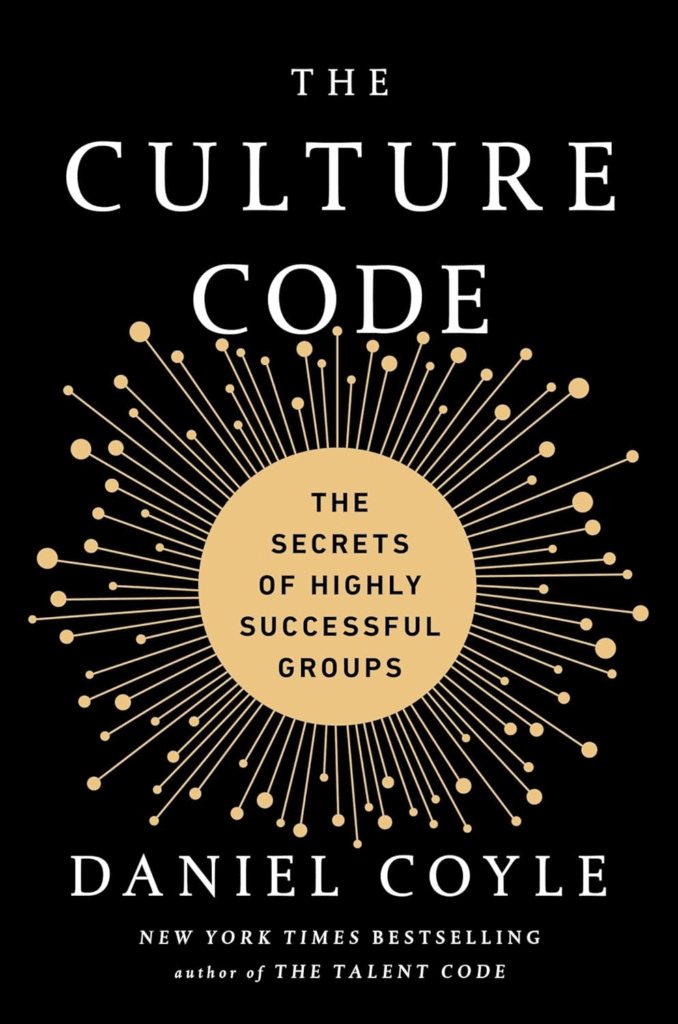
The book by Coyle explores the elements of thriving workplace cultures and what makes them special in a world full of challenges and daunting tasks. Based on research from organizations such as Pixar and the Navy SEALs, this book reveals that psychological safety and belonging are the cornerstones of exceptional team performance.
It’s one of the most valuable corporate culture books, offering tools to help leaders build trust, encourage honest feedback, and foster a strong group identity.
7. “Drive“ by Daniel H. Pink
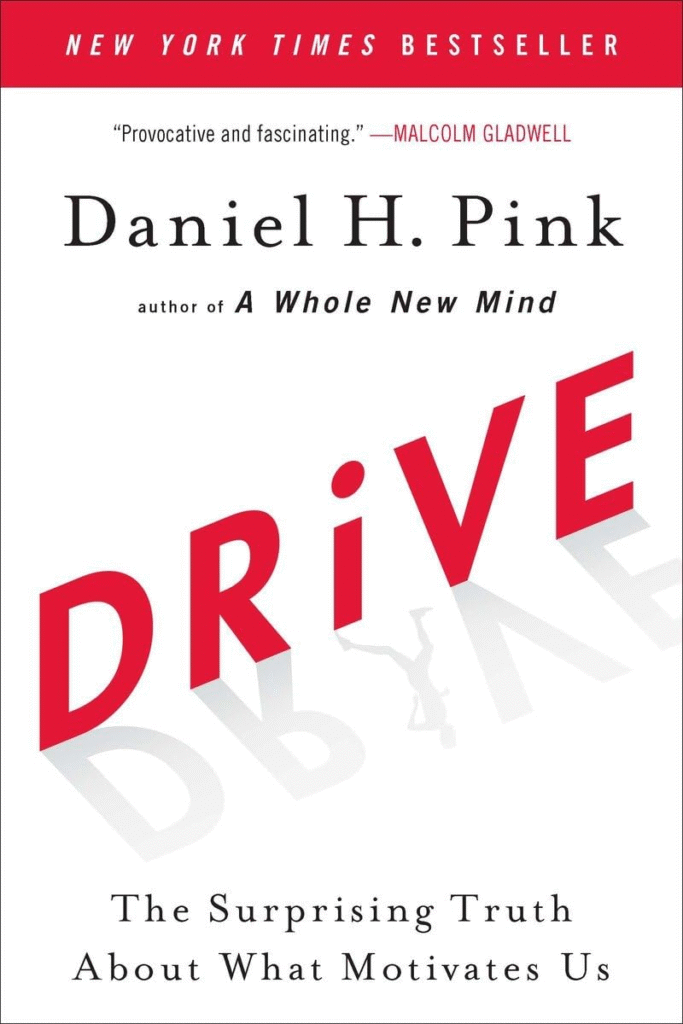
The book is all about redefining motivation. The name is suggestive of the nature of work to expect from the author. The book focuses on autonomy, mastery, and purpose. Instead of relying on external rewards, Pink’s research demonstrates how intrinsic motivation drives creativity and fosters long-term engagement.
As one of the most impactful business and leadership books, Drive helps leaders understand what truly inspires employees and how to create a workplace culture that supports continuous growth. For all those people who are looking for innovative leadership roles and ideals, this one is not to miss out in your list.
8. “Start with Why“ by Simon Sinek
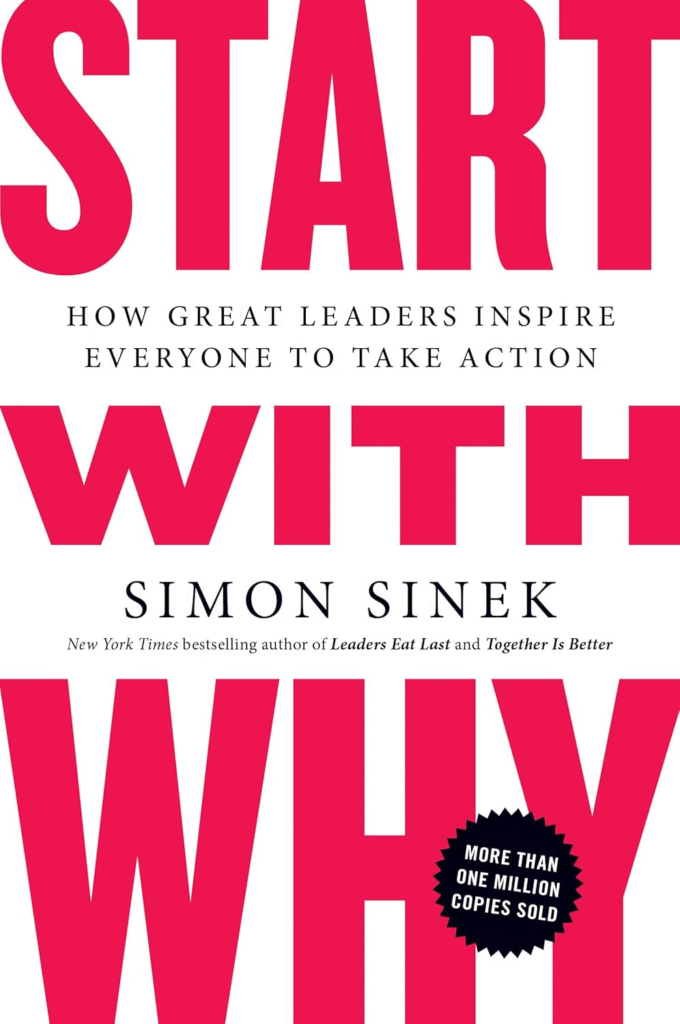
The next book in our list is inevitable when it comes to a business and leadership book list. explores the concept that great leaders and organizations inspire action by clarifying their purpose. It’s a cornerstone among professional development books, connecting leadership success with authentic storytelling and vision-driven communication.
The great idea behind the book is to understand that leaders are not the ones who focus on profit and loss rather they look out for the reasons and explore why in it.
9. “Crucial Conversations“ by Kerry Patterson, Joseph Grenny, Ron McMillan, and Al Switzler
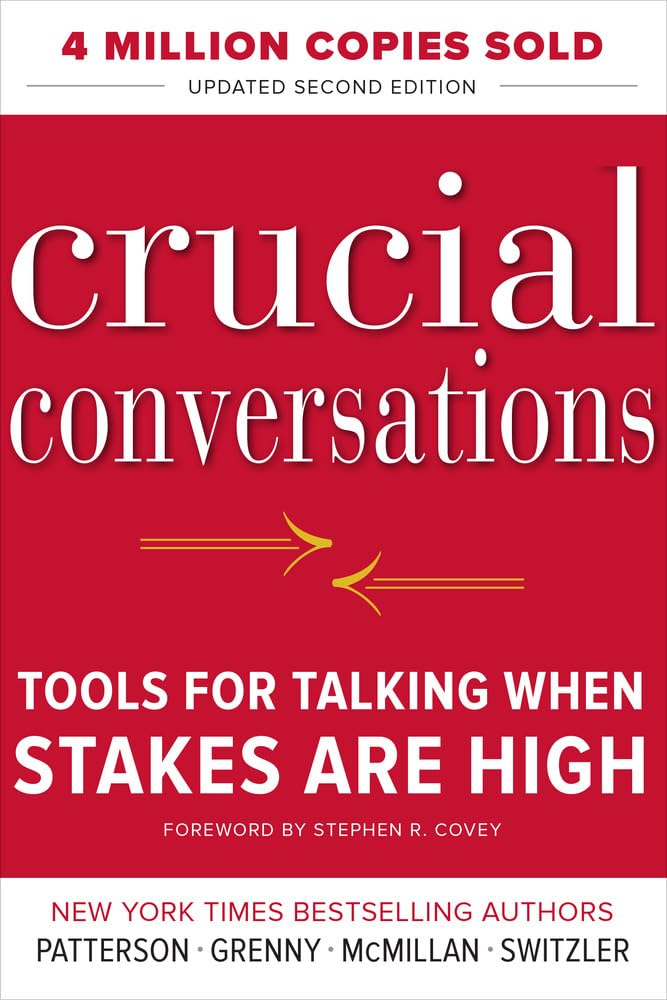
When communication breaks down, culture suffers. Crucial Conversations equips professionals with strategies to handle high-stakes discussions calmly and effectively. It’s a standout among books on team communication, offering step-by-step tools to navigate conflict and reach mutual understanding.
10. “Atomic Habits“ by James Clear

James Clear’s Atomic Habits explores how small, consistent actions lead to remarkable transformation both personally and organizationally. While often viewed as a self-improvement guide, it’s also one of the most adaptable professional development books for corporate settings.
To conclude, these ten professional development books serve as blueprints for leaders and teams seeking to build stronger, more connected workplaces. From fostering open dialogue and trust to redefining motivation and leadership, each book offers valuable lessons that can reshape corporate culture.